
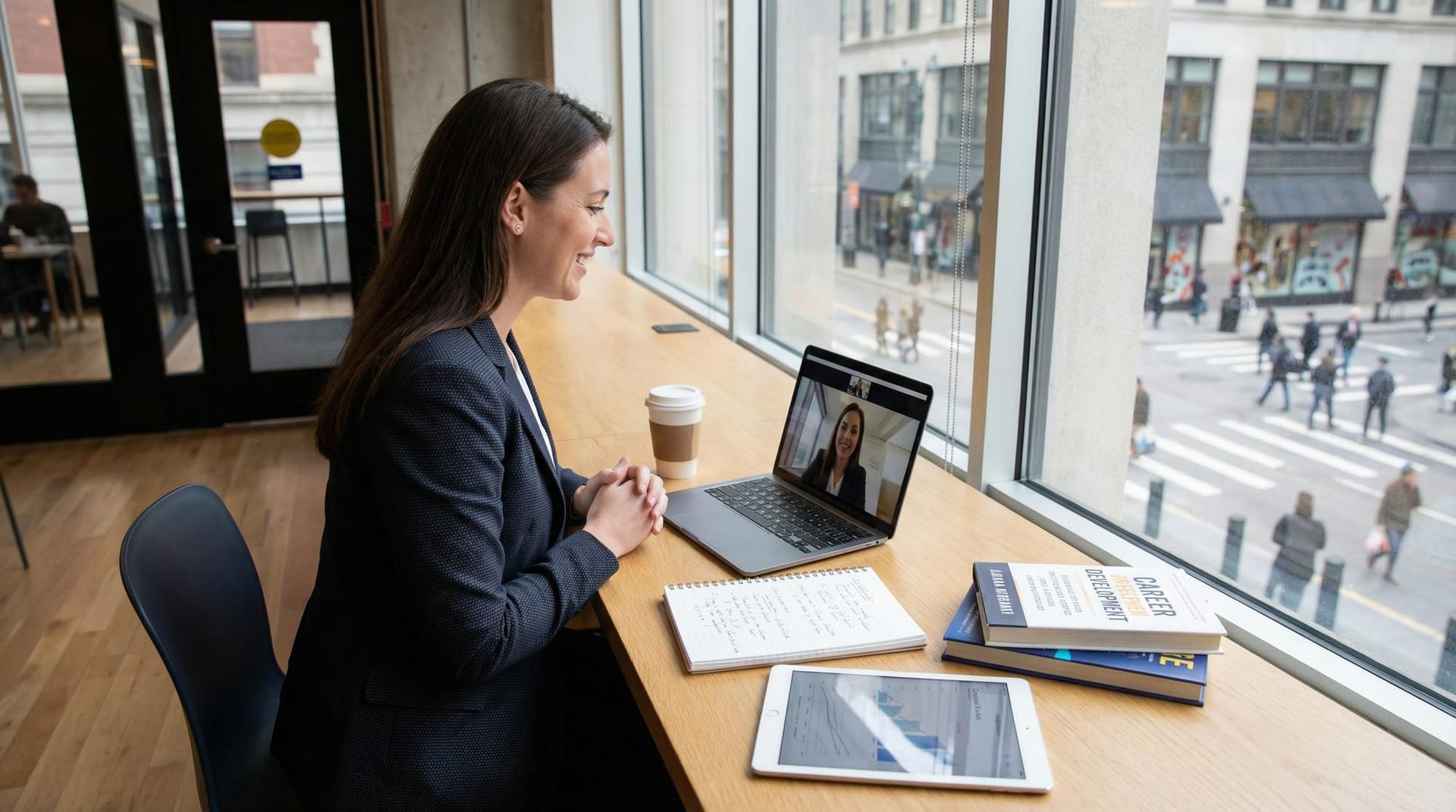
How to Ace Your Online Mock Interview
How to Ace Your Online Mock Interview
The Hidden Power of an Online Mock Interview
If you want to secure a competitive job offer in today’s digital-first hiring landscape, mastering the online mock interview is no longer just optional—it is a necessity. According to recent reports, over 85% of global hiring processes now include some form of virtual interviewing. Engaging in an online mock interview directly tackles the two biggest hurdles candidates face: camera anxiety and unstructured answers. Practicing in a simulated environment helps candidates reduce filler words, refine their pacing, and ultimately increase their chances of landing the role by up to 40%. In short, virtual rehearsal is the secret weapon for career growth.
But understanding the data is one thing; feeling the pressure of a high-stakes virtual job interview is another. Imagine staring at a blinking webcam light, knowing that your dream job hinges on the next thirty minutes of conversation. The tension is palpable. Even the most seasoned professionals can freeze when the screen turns on, which is exactly why simulating that pressure beforehand is so critical to workplace success.
Facing the Screen: A Tale of Interview Nerves
Consider the story of Alex, a talented product manager who recently found himself facing the ultimate career test. After months of applications and navigating complex Applicant Tracking Systems (ATS), he finally secured an interview for a senior role at a top-tier tech company. The catch? It was a panel interview scheduled on Microsoft Teams in just three days. Despite his deep industry knowledge, Alex was terrified of the remote hiring process.
During his initial solo practice, Alex’s internal dilemmas became painfully obvious. He struggled with where to look—often staring at his own video feed rather than the camera lens. His answers, which sounded brilliant in his head, became tangled and rambling when spoken aloud. He felt a deep sense of camera anxiety, worried that the HR recruiters would misinterpret his nervousness as a lack of competence. The tight deadline only amplified the pressure of virtual communication. He realized that reading behavioral questions off a screen wasn’t enough; he needed a realistic simulation to expose his blind spots before the real panel did.
Best Practices for Your Virtual Practice
To overcome these hurdles, Alex adopted a rigorous preparation strategy. If you want to maximize the return on your practice time, you must treat your virtual rehearsal with the same respect as the actual event. Here are the core heuristics to follow.
Simulate the Real Environment
- Test your technology: Ensure your microphone, lighting, and internet connection are flawless. Whether the employer uses Zoom, Microsoft Teams, or another platform, familiarize yourself with the interface beforehand.
- Dress the part: Wear the exact outfit you plan to wear on the big day. This psychological trick signals to your brain that it is time to perform.
- Control your background: A cluttered background distracts HR recruiters. Opt for a clean, professional backdrop that keeps the focus entirely on you.
Record and Review
- Analyze your body language: Watch your playback on mute to observe your posture, facial expressions, and eye contact.
- Monitor pacing and tone: Are you speaking too fast due to nerves? Use the recording to actively work on pausing before delivering key insights.
- Leverage AI feedback: Modern Career Growth AI platforms can track your exact usage of filler words and measure your speaking pace, providing objective metrics for improvement.
Common Pitfalls to Avoid
- Sounding overly rehearsed: While practice is crucial, memorizing answers word-for-word makes you sound robotic. Focus on outlining key bullet points rather than writing a script.
- Relying on off-screen notes: It is tempting to surround your monitor with sticky notes, but reading during an interview breaks eye contact and interrupts the natural flow of conversation.
- Ignoring the "pause": Many candidates rush to fill the silence after a tough question. Taking a breath and a brief pause shows thoughtfulness and confidence.
The Turning Point: Confidence Through Repetition
For Alex, the breakthrough moment arrived on the evening before his interview. After scheduling his third online mock interview using an AI Interview Copilot, the tension finally began to dissolve. The platform threw an unexpected behavioral question at him: "Tell me about a time a project was at risk of failing."
Instead of panicking or rambling, Alex instinctively relied on the structures he had been practicing. He paused, looked directly into the webcam, and delivered a concise, impactful response. When he reviewed the analytics from his session, the measurable impact was undeniable. He had reduced his use of filler words by over 50% and perfectly timed his answers to the ideal two-minute mark. The conflict of his deep-seated nervousness had been resolved through structured repetition. When he logged onto Microsoft Teams the next morning for the real interview, he felt three times more confident. The panel commended his clear communication, and within a week, he received the promotion he had been chasing.
Differentiating Yourself in the Modern Job Market
Mastery of an online mock interview does more than just calm your nerves; it fundamentally differentiates you from other candidates in the modern job market. Employers are looking for self-driven professionals who take ownership of their preparation. When you practice rigorously, your answers naturally highlight your strategic thinking and problem-solving abilities.
In fact, you can even leverage your preparation as a talking point during the interview itself. Consider this brief scenario:
Interviewer: "How do you ensure success when taking on a new, unfamiliar challenge?"
Candidate: "I believe in proactive preparation. For example, to ensure I could communicate my ideas clearly in this remote setting today, I utilized an online mock interview platform to refine my delivery and focus on the core metrics of my past projects. I apply that same level of deliberate practice and testing to any new product launch or team conflict I manage."
When discussing your experience, be sure to use strong action verbs like orchestrated, optimized, and spearheaded. Emphasize behavioral metrics such as "decreased turnaround time by 20%" or "increased team efficiency." Framing your past results through the STAR method (Situation, Task, Action, Result) ensures that your practiced answers translate into compelling professional stories.
Weighing the Benefits: Tradeoffs and Advantages
Adopting any new preparation strategy comes with its own set of pros and cons. To help you decide how to invest your time, here is a scannable breakdown of the advantages versus the limitations of virtual interview practice:
- Benefit: Instant, Objective Feedback
- You receive data-driven insights on your speaking pace, eye contact, and use of filler words, allowing for rapid course correction.
- Tradeoff: Artificial Environment
- Speaking to a recording or an AI can feel slightly unnatural at first and lacks the spontaneous human banter of a real conversation.
- Benefit: Significant Anxiety Reduction
- Familiarizing yourself with the pressure of the camera dramatically lowers nerves, with up to 85% of candidates reporting increased confidence.
- Tradeoff: Cost of Premium Tools
- While free options exist, the most advanced platforms with personalized AI critiques and comprehensive resume feedback may require a financial investment.
Online Mock Interview FAQs
What is an online mock interview?
An online mock interview is a virtual practice simulation designed to mimic a real job interview. Using video conferencing tools or AI platforms, candidates answer industry-specific questions under timed conditions. This process helps job seekers refine their communication skills, test their technical setup, and receive actionable feedback on their body language and response structure before meeting with actual hiring managers.
When should I start practicing with mock interviews?
You should begin practicing at least one to two weeks before your scheduled interview. This timeline gives you ample opportunity to run multiple simulations, review your recorded performance, adjust your delivery, and research company-specific questions. Starting early prevents last-minute cramming and allows your newly refined speaking habits to feel natural and conversational.
Can an online mock interview backfire?
Yes, if used incorrectly. If a candidate uses the practice to memorize answers word-for-word, they risk sounding robotic and inflexible during the actual interview. The goal is to master the framework of your answers—like the STAR method—not to read a rigid script. Over-practicing without focusing on adaptability can hinder your authentic personality from shining through.
Your Next Step Toward Career Success
Navigating the modern job hunt requires more than just an impressive resume; it requires the ability to articulate your value under pressure. Mastering the online mock interview gives you a long-term competitive edge, transforming pre-interview anxiety into polished, compelling confidence. By treating your practice sessions as the real deal, you equip yourself with the tools needed to impress recruiters, navigate complex ATS environments, and ultimately secure the roles you deserve.
If you want to practice your skills in realistic interview simulations and receive targeted insights, try tools like OfferGenie (https://offergenie.ai). As a comprehensive Job Interview Platform and AI Interview Copilot, it provides actionable resume feedback and dynamic mock interviews designed to accelerate your career growth.